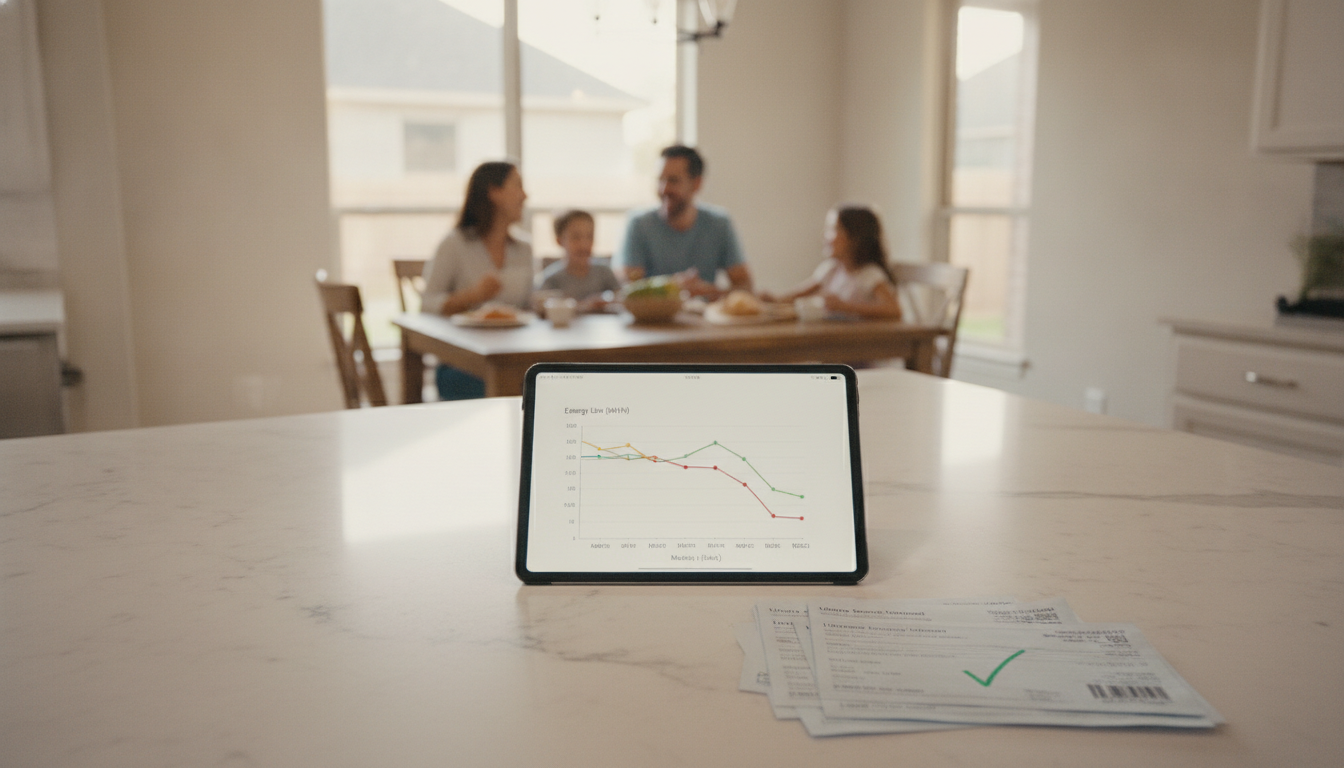
Every Texan wants to find the cheapest electricity plan possible, but the search often feels like navigating a minefield of hidden fees and confusing terms. With dozens of retail electric providers competing for your business, a plan that looks incredibly cheap on the surface can quickly morph into an expensive nightmare once your actual monthly bill arrives. The key to unlocking genuine savings isn’t just chasing the lowest advertised rate; it’s understanding how your home’s unique usage patterns align with the standard pricing tiers of Texas energy plans.
Decoding the Electricity Facts Label (EFL)
At BulbOne, we serve as your expert guide and independent platform to help you explore your power to choose the best, most cost-effective, and reliable cheap electricity plans in Texas. To truly master your energy budget, you must learn to decipher the Electricity Facts Label (EFL). This document is the ultimate tool for budget shoppers, detailing how much you will pay at three standardized monthly usage thresholds: 500 kWh (typically for small apartments), 1,000 kWh (average homes), and 2,000 kWh (larger homes or those with high air conditioning demands).
The 1,000 kWh vs. 2,000 kWh Dilemma
Why does this usage distinction matter so much? Many providers design plans with tiered rates or bill credits that only trigger when you hit a very specific usage window. For instance, if you sign up for a plan optimized for 2,000 kWh because it boasts a low average rate, but your actual usage is closer to 1,000 kWh, you might miss out on a critical bill credit or face a much higher rate per kilowatt-hour. Conversely, choosing a plan structured for moderate usage when you live in a sprawling home in need of the heavy cooling that electricity Houston summers demand can lead to shocking price spikes.
When you compare Texas electricity rates, you must look beyond the headline number. The rates disclosed on an EFL include both fixed charges from your local Transmission and Distribution Service Provider (TDSP) and variable charges from the retail electric provider. While these standardized numbers provide an excellent baseline, your final monthly costs will always depend on your actual consumption. It is also important to note that rates displayed on comparison platforms are for informational purposes, subject to change, and only finalized when a service agreement is executed with your chosen retail electric provider.
Tailoring Your Plan to Your Lifestyle
To secure your trust, we want to clarify that BulbOne is completely independent and in no way associated with PowerToChoose.org, which is operated by the Public Utility Commission (PUC) of Texas. We focus on delivering a streamlined, user-friendly experience that helps you filter out the noise. Whether you are looking for traditional fixed-rate plans, searching for flexible prepaid electric service, or exploring options from top-rated small business electricity providers, understanding your usage profile is the first step toward securing a competitive rate.
For example, a family comparing options for electricity Fort Worth homes will have vastly different seasonal usage than a single resident in a high-rise condo. By analyzing your past utility bills to find your average monthly kilowatt-hour usage, you can confidently select a plan tailored to your lifestyle. BulbOne simplifies this entire process, matching your historical usage with the most reliable, transparent plans on the market today.
Don’t let confusing EFLs and sneaky usage tiers dictate your monthly budget. With the right knowledge and independent guidance, finding cheap, reliable energy in Texas is entirely within your reach. Ready to slash your monthly energy costs with a reliable, cheap electricity plan? Just call 1-844-567-2863 to speak with our experts today.
How do I know if I should shop for 1,000 kWh or 2,000 kWh plans?
The best way to determine your tier is to look at your past 12 months of electricity bills. If your average monthly consumption is under 1,200 kWh, focus on the 1,000 kWh pricing on the Electricity Facts Label (EFL). If you have a larger home or use heavy heating and cooling that pushes you over 1,500 kWh consistently, focus on the 2,000 kWh tier.
Are the rates I see on comparison sites guaranteed?
No, the rates displayed on comparison platforms are for informational purposes and subject to change based on market conditions. Your rate is only locked in and finalized once you execute a formal service agreement with your chosen retail electric provider.
What is the difference between BulbOne and Power to Choose?
BulbOne is a completely independent comparison platform dedicated to helping consumers find reliable, cost-effective plans through clear, guided analysis. We are not associated with PowerToChoose.org, which is the state-run directory operated by the Public Utility Commission of Texas.