
When you move into a new home or business space in the Lone Star State, you quickly realize that powering your property isn’t a one-size-fits-all deal. Your electricity options, monthly bills, and plan availability are entirely dictated by where you live. Whether you are looking for electricity Houston neighborhoods or setting up service for electricity Fort Worth properties, geography is the single most important factor determining your energy landscape.
At BulbOne, we act as your expert guide and independent platform, helping consumers explore their power to choose the best, most cost-effective, and reliable cheap electricity plans in Texas. However, navigating this market requires understanding how regional infrastructure impacts what you pay.
The Role of the TDSP: Who Delivers Your Power?
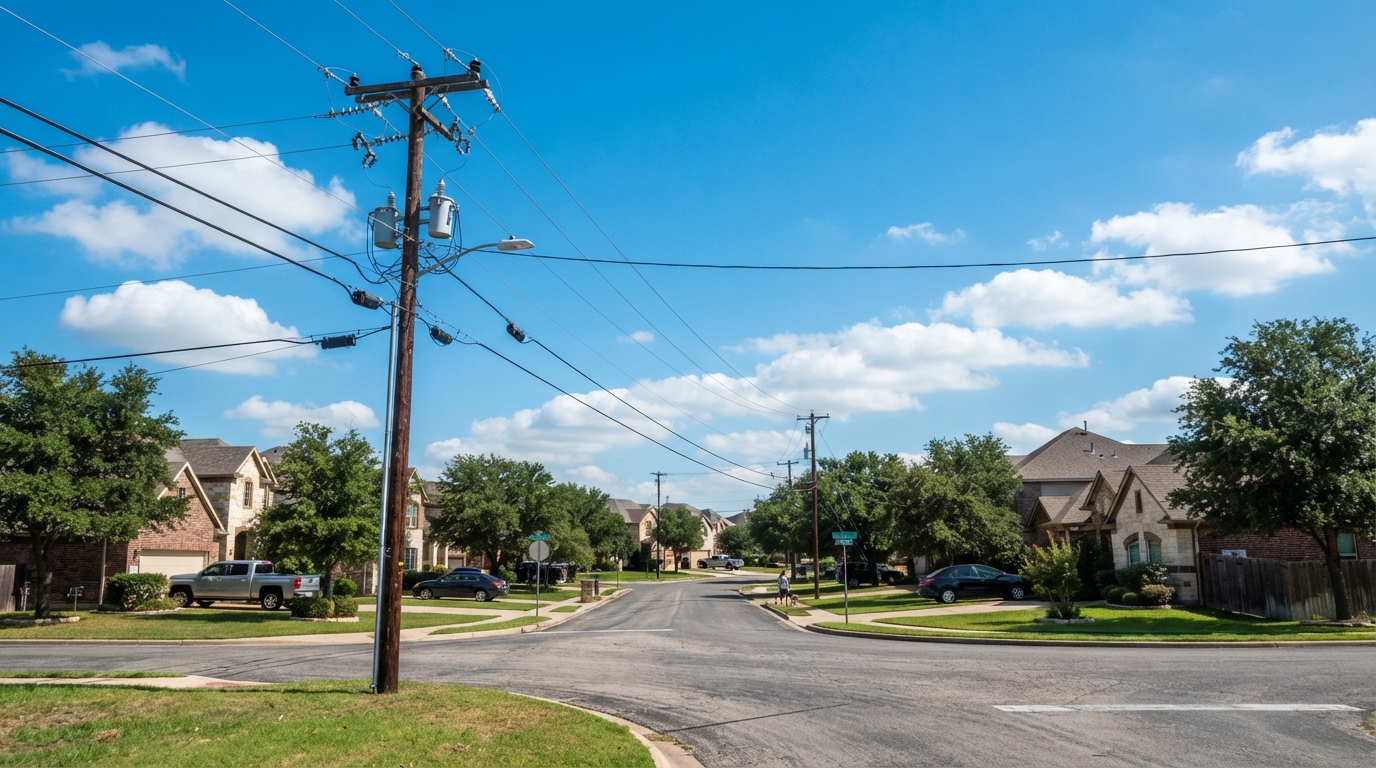
To understand why your neighbor in a different zip code might see entirely different plan options, you need to know who manages the wires and poles. While retail electricity providers (REPs) sell you the power, Transmission and Distribution Service Providers (TDSPs)—often referred to as your local utilities—actually deliver it to your meter. Major players like Oncor, CenterPoint, AEP Texas, and TNMP operate distinct regional service territories across the state.
Your local TDSP is responsible for maintaining the physical grid, restoring power after storms, and reading your meter. Because these companies operate as regulated monopolies within their specific zones, you cannot choose your TDSP. Instead, your geographic location locks you into a specific utility delivery zone.
How Local Transmission Fees Impact Your Average Price
Pricing is always based on each specific area’s utility rates. When you look at an average price per kWh, these figures are typically calculated based on standard 1,000 kWh or 2,000 kWh monthly usage blocks. These blocks incorporate both the energy charge from your chosen retail provider and the fixed and variable local delivery charges mandated by your regional TDSP.
Because transmission and distribution fees vary significantly from one utility zone to another, two homes consuming the exact same amount of electricity in different cities will face different baseline costs. This regional variance is why it is essential to compare Texas electricity rates specifically using your exact zip code.
Navigating Plan Types and Official Disclosures
As you shop for energy, you will encounter various plan structures. Electricity service offers can be fixed or variable. To ensure complete transparency, all rates are gathered directly from each provider’s Electricity Facts Label (EFL) for comparison purposes only. Keep in mind that rates are subject to change and are only finalized when an agreement is completed.
Depending on your preferences and credit history, you might also look into specialized options such as prepaid electric service or dedicated plans for small business electricity providers to manage your overhead costs effectively.
Transparency is core to our mission. Please note that BulbOne is an independent resource and is in no way associated with PowerToChoose.org, which is operated by the Public Utility Commission (PUC) of Texas. While consumers often search using the traditional power to choose framework, independent platforms like ours offer streamlined guidance to simplify your search.
Conclusion
Understanding Texas service areas and utility delivery zones empowers you to take control of your energy costs. By knowing your TDSP and reviewing your EFL carefully, you can avoid surprises on your monthly bill. Want to check the most competitive rates available in your specific Texas zip code? Just call 1-844-567-2863 to speak with our local energy experts today.
Frequently Asked Questions
Can I choose which TDSP delivers my electricity?
No. TDSPs operate as regulated regional monopolies. Your local utility company is determined entirely by your physical address or zip code, meaning you cannot switch your delivery provider.
Do all cities in Texas participate in energy deregulation?
No. While most of the state enjoys a deregulated market where consumers can shop for retail electricity providers, certain areas—such as municipal-owned utilities and electric cooperatives—do not allow electric choice.
Are delivery fees included in the price per kWh on my EFL?
Yes. The standard price per kWh displayed on an Electricity Facts Label bundles both the generation charges from the retail provider and the mandatory local delivery fees charged by your TDSP.