Navigating the Lone Star State’s deregulated energy market can feel like walking through a massive maze. With dozens of retail electric companies vying for your business, having the power to choose gives you immense control over your monthly utility bills, but it also introduces decision fatigue. Selecting a new provider goes far beyond simply grabbing the lowest headline rate you see online. To truly protect your household or small business electricity providers search from hidden pitfalls, you need a smart evaluation strategy that looks deep into a company’s operational track record, customer support reliability, and overall trustworthiness.
Looking Beyond the Marketing Hype
When shopping for cheap electricity plans in Texas, it is easy to get blinded by flashy introductory offers. However, an exceptionally low rate means very little if the provider leaves you stranded during a grid emergency or subjects you to endless billing disputes. BulbOne functions as an independent resource and is in no way associated with PowerToChoose.org, which is operated by the PUC of Texas. Our mission as an expert guide is to help consumers explore their power to choose the best, most cost-effective, and reliable energy solutions by prioritizing long-term stability over temporary gimmicks.
Investigating Customer Service Records and Complaints
Before you commit to a multi-month contract, do your homework on how the retail electric company treats its customers. A reliable provider should offer accessible support channels, transparent billing practices, and prompt response times. You can research regulatory complaint histories through public consumer protection portals to see how often a company fails to resolve issues amicably. Whether you are searching for standard residential power or specialized options like prepaid electric service, vetting the provider’s history prevents unpleasant surprises down the road.
Decoding the Electricity Facts Label (EFL)
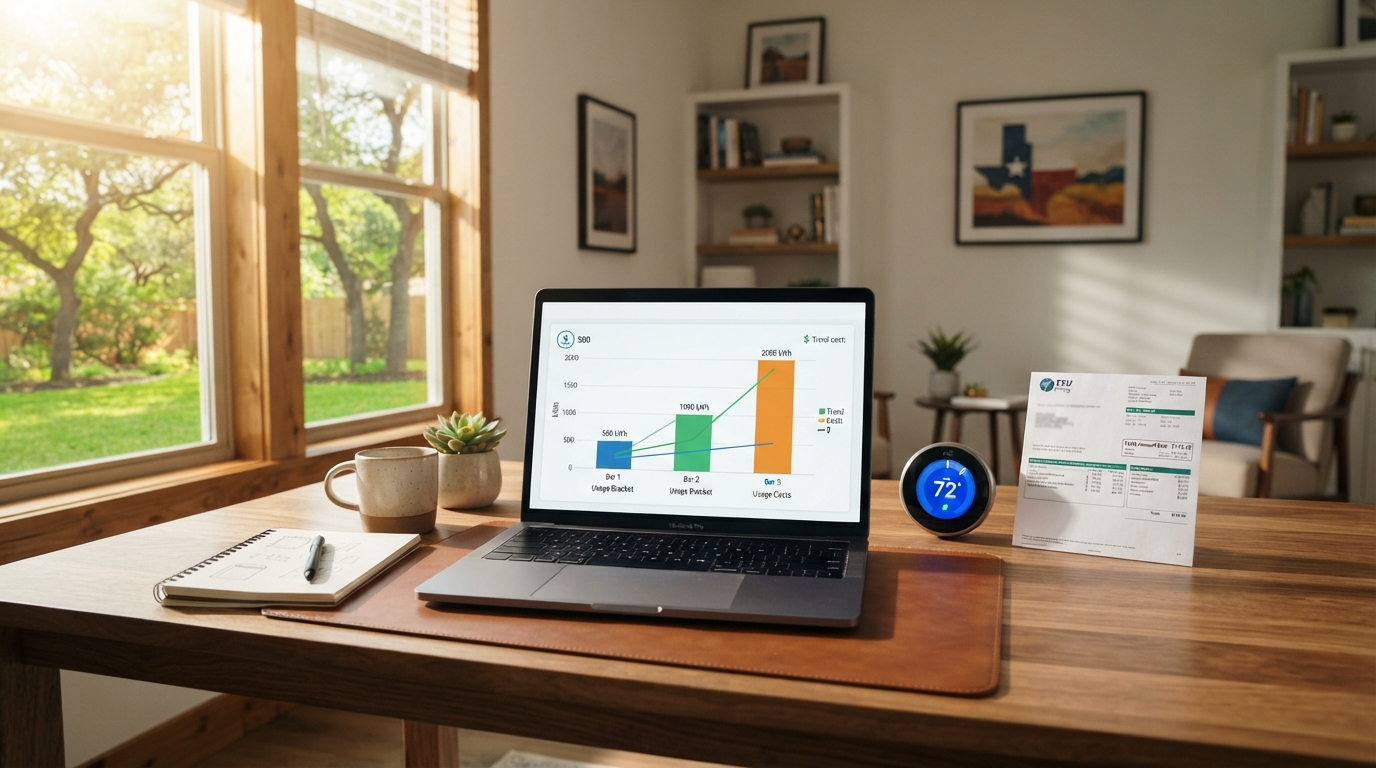
Every single power plan in the deregulated market comes with a mandatory document known as the Electricity Facts Label. This document is your ultimate truth serum. When you compare Texas electricity rates, always review the EFL to understand how charges are structured. The displayed average price per kWh is an example based on specific 1,000 kWh or 2,000 kWh usage models, including fixed and variable local charges. Remember that your actual rates will vary depending on your real-world consumption. Plans can be fixed, offering a guaranteed rate for the duration of the contract term, or variable, meaning they are subject to market fluctuations. Furthermore, all comparison rates are provided strictly for informational purposes until a formal service agreement is fully executed.
Evaluating Geographic Reliability and Reputation
Energy reliability can shift depending on your exact service territory. A provider that excels in one region might have weaker partnerships or support infrastructures in another. For instance, homeowners looking for electricity Houston options face different local transmission and distribution utility (TDU) dynamics compared to those seeking electricity Fort Worth plans. Checking local community forums, independent review boards, and consumer advocacy ratings gives you a clearer picture of regional performance.
Ultimately, utilizing independent comparison platforms helps you filter through hundreds of retail electric companies to find stable, reputable partners. BulbOne simplifies this vetting process by connecting users only with trusted electric companies that maintain high standards of customer satisfaction and transparent billing practices.
Ready to choose a trusted electric company with completely transparent terms? Just call 1-844-567-2863 to speak with our Texas energy experts.
Frequently Asked Questions
Where can I check a retail electric company’s official complaint history?
You can review official complaint statistics and historical records filed against Texas retail electric providers through the Public Utility Commission of Texas consumer information portals and independent state resources.
Why does the average price per kWh change on the Electricity Facts Label?
The average price listed on an EFL is calculated strictly around tiered consumption models, typically 1,000 kWh or 2,000 kWh. Base fees, energy charges, and variable TDU delivery charges interact differently depending on how much electricity you actually consume each month.
Are fixed-rate electricity plans completely immune to price changes?
Fixed-rate plans protect the energy charge portion of your bill from market volatility for the duration of your contract term. However, TDU delivery charges regulated by your local utility can still occasionally adjust based on approved regulatory changes.