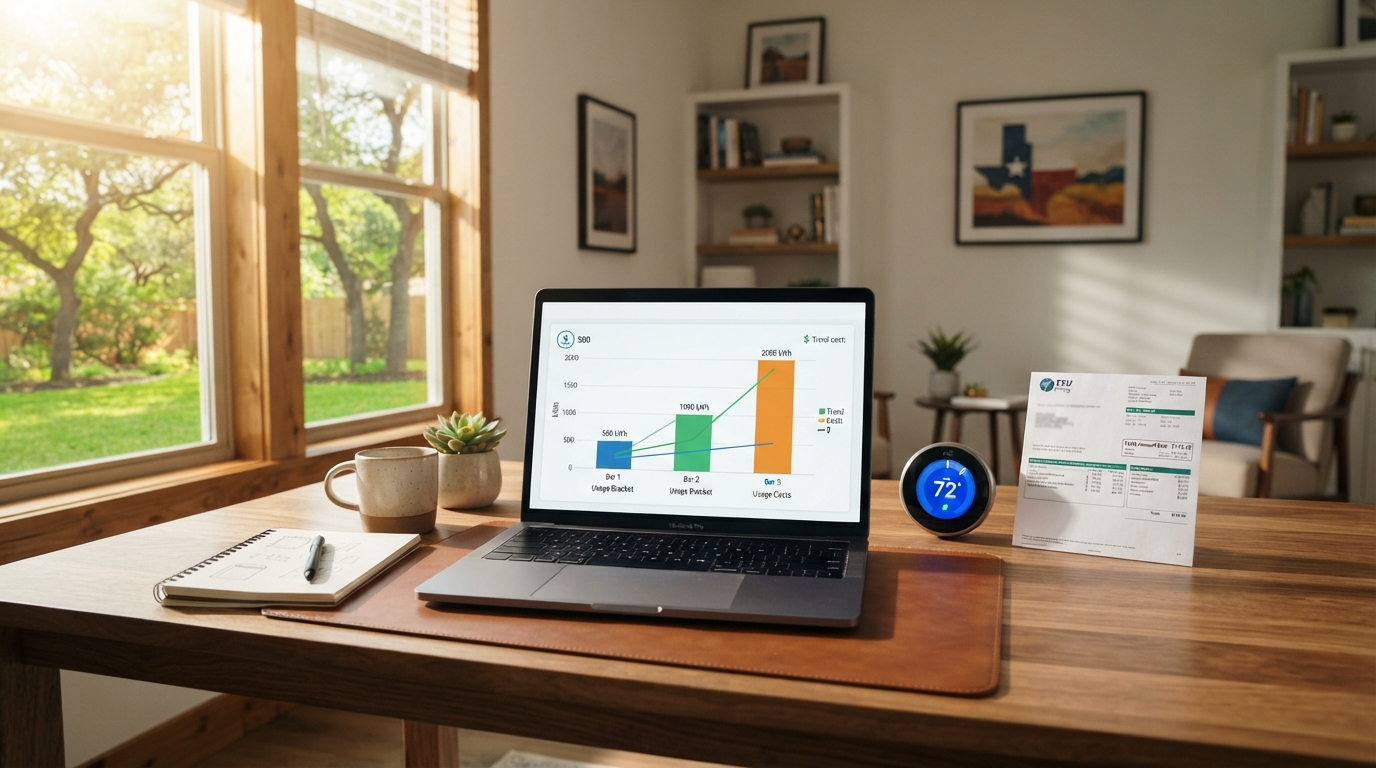
Navigating the Lone Star State’s deregulated energy market can feel like sorting through a massive maze. With dozens of retail electric companies vying for your business, having the power to choose is both a blessing and a challenge. Whether you are searching for power to power your home or checking options for small business electricity providers, cutting through the marketing noise requires a smart evaluation strategy. Finding a truly reputable provider means looking past the flashy initial sales pitches and digging deep into their operational track record, customer satisfaction metrics, and billing transparency.
The Importance of Reputation and Customer Service
In a deregulated market, your retail electric company is your partner in home comfort. However, not all providers handle customer service with the same level of care. Before you sign any contract, it is vital to research a company’s standing within the community. Look beyond the basic star ratings on review sites and investigate how a provider handles service outages, billing disputes, and customer inquiries. A trustworthy company will have transparent communication channels, easy-to-reach support teams, and a history of fair dealings.
Decoding the Electricity Facts Label (EFL)
When evaluating a provider, your primary tool should always be the Electricity Facts Label. This standardized document reveals the mechanics behind a plan. It is crucial to remember that the displayed average price per kWh is an example based strictly on 1,000 kWh or 2,000 kWh usage models, including fixed or variable local charges. Because actual rates vary with usage, your monthly bill will depend heavily on how your home’s consumption aligns with these benchmarks. Furthermore, plans can be fixed, meaning the rate is guaranteed for the contract term, or variable, meaning it is subject to change. Please note that comparison rates are provided for informational purposes only until a formal service agreement is completed.
Matching Your Usage Patterns
A common pitfall for Texas consumers is choosing a plan without evaluating their historical power consumption. If your household usage consistently sits near the 1,000 kWh mark, but you enroll in a plan structured with heavy discounts specifically tailored for the 2,000 kWh tier, you may face unexpected charges. Whether you need a standard credit-checked plan or are exploring alternative options like prepaid electric service, aligning your usage tier with the provider’s billing structure is essential for avoiding high bills.
Expanding Your Market Research Across Texas Cities
Provider performance and plan availability often vary depending on your specific region. For instance, residents looking for reliable service in electricity Houston markets will encounter a vastly different roster of promotional offers compared to those shopping for electricity Fort Worth plans. Independent comparison platforms help you filter through these hundreds of choices to find stable partners.
As an independent expert platform, BulbOne helps consumers explore their power to choose the best, most cost-effective, and reliable cheap electricity plans in Texas. We want to make sure you have complete confidence in your decision, which is why we are entirely independent and in no way associated with PowerToChoose.org, which is operated by the PUC of Texas. You can also easily compare Texas electricity rates directly through our streamlined dashboard to see how different providers stack up against one another.
Conclusion
Choosing a retail electric company in Texas does not have to be a guessing game. By prioritizing company reputation, carefully analyzing your usage against the EFL, and utilizing independent vetting tools, you can secure a reliable energy plan that fits your lifestyle. Ready to choose a trusted electric company with completely transparent terms? Just call 1-844-567-2863 to speak with our Texas energy experts.
Frequently Asked Questions
How do I check a Texas electric company’s customer service record?
You can review customer complaints filed with the Public Utility Commission of Texas (PUCT), read independent consumer reviews, and check ratings with the Better Business Bureau to gauge a provider’s reliability.
What is the difference between a fixed-rate and a variable-rate plan?
A fixed-rate plan locks in your energy supply rate for the duration of your contract term, protecting you from market spikes. A variable-rate plan fluctuates monthly based on market conditions and is generally not guaranteed.
Why does my actual electric bill differ from the EFL estimate?
The average price per kWh listed on an EFL is calculated using exact usage models like 1,000 kWh or 2,000 kWh. If your home uses more or less electricity, or if your usage patterns shift across tiered billing structures, your actual average cost per kWh will vary.