
Imagine two next-door neighbors in Houston. They live in identical houses, use the exact same retail electric provider (REP), and signed up for the same electricity plan. Yet, when their monthly bills arrive, one neighbor pays a significantly higher average rate per kilowatt-hour (kWh) than the other. How is this possible? The answer lies within the complex world of Texas electricity usage brackets and tiered rate structures.
In the deregulated Texas energy market, retail electric providers do not charge a single, flat rate for power. Instead, the price you pay is heavily dependent on how much energy you consume each month. Understanding how these brackets function is the key to unlocking true savings and avoiding unexpected bill spikes when the seasons change.
Demystifying the 500, 1,000, and 2,000 kWh Scale
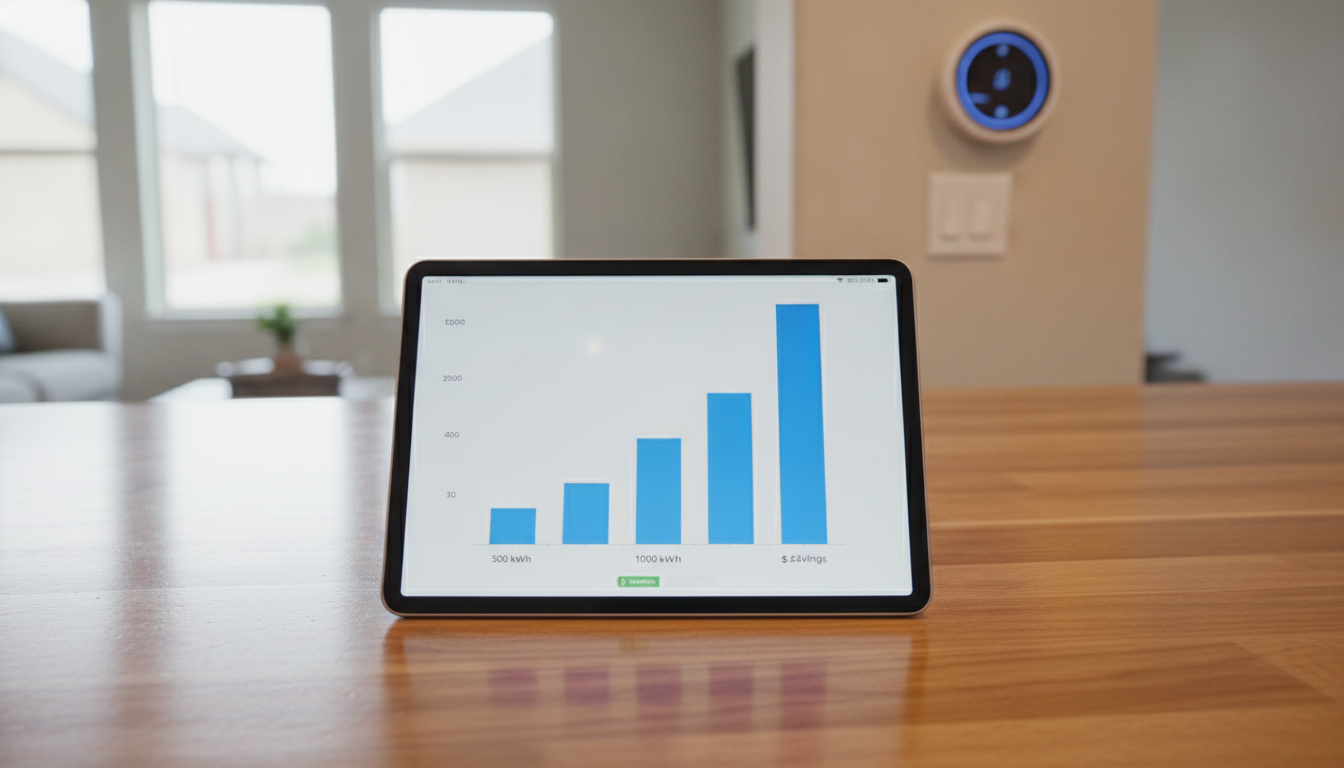
When you shop for electricity in Texas, you will notice that plans are categorized into three standard usage benchmarks: 500 kWh, 1,000 kWh, and 2,000 kWh. These benchmarks are designed to represent different sizes of households and lifestyles, serving as standardized reference points for consumers.
The 500 kWh Bracket: Designed for Apartment Living
The 500 kWh bracket is typically geared toward small apartments, condominiums, or highly energy-efficient individuals. Residents in these spaces use minimal heating and cooling. Because fixed charges make up a larger percentage of a small bill, the average price per kWh in this bracket is often higher than in the larger brackets, even though the total bill amount is lower.
The 1,000 kWh Bracket: The Moderate Single-Family Home
This is the most common benchmark used by average-sized homes in Texas. It represents a moderate-sized house or a large apartment with typical appliance usage. Many promotional plans are optimized around this bracket, offering competitive rates for households that consistently hit this sweet spot.
The 2,000 kWh Bracket: Large Homes and Hot Texas Summers
Large single-family homes, properties with swimming pools, or households with older, less efficient HVAC systems often fall into the 2,000 kWh bracket—especially during the sweltering summer months. While the average price per kWh may look incredibly appealing at this high-usage level, falling short of this bracket on a plan designed for high usage can trigger expensive penalties.
Decoding the Tiered Rate Structure: The Math Behind the Madness
The average prices per kWh displayed on comparison platforms are examples based on these standard 1,000 kWh or 2,000 kWh monthly usage blocks. These examples include fixed and variable local charges, but the actual average price for electric service varies based on exact electricity usage patterns. To understand why, we have to look at how retail electric providers structure their rates.
Texas electricity plans can be fixed or variable, with rates gathered directly from each provider’s Electricity Facts Label (EFL) for comparison purposes only. Within these EFLs, providers outline how they calculate your bill. A tiered rate structure means that the rate changes as your usage crosses specific thresholds. For instance, a plan might offer a low base rate, but if your usage falls below a certain minimum, a “minimum usage fee” is added, drastically driving up your average cost per kWh. Conversely, another plan might offer a significant “bill credit” once you cross the 1,000 kWh mark, only to remove that credit and charge a much higher rate for every kilowatt-hour used beyond that threshold.
These structures are why a plan that looks incredibly cheap at exactly 1,000 kWh can become prohibitively expensive if you use 999 kWh or 1,005 kWh. The “cheap” rate advertised is often a carefully engineered sweet spot that is difficult for the average consumer to maintain month after month.
How to Avoid the Tiered Rate Trap with BulbOne
Navigating these complex brackets on your own can feel overwhelming. That is where BulbOne comes in. As an expert guide and independent platform, BulbOne helps consumers explore their power to choose the best, most cost-effective, and reliable cheap electricity plans in Texas. We believe in complete transparency, which is why we help you look past the advertised “teaser” rates to find plans that align with your actual, historic usage.</p
It is important to note that our platform is an independent resource and is in no way associated with PowerToChoose.org (which is operated by the PUC of Texas). Our goal is to provide you with the tools and clarity you need to compare Texas electricity rates without falling victim to hidden fees, complex tiered structures, or misleading bill credit schemes. By analyzing your home’s unique footprint, you can select a plan where the average price per kWh actually matches what you pay on your monthly bill.
Confused about which usage bracket fits your home? Just call 1-844-567-2863 to speak with our Texas energy experts for personalized guidance.
Frequently Asked Questions About Texas Electricity Brackets
What is an Electricity Facts Label (EFL) and why does it matter?
The EFL is a standardized legal document provided by Texas retail electric providers for every plan. It discloses the exact pricing structure at the 500, 1,000, and 2,000 kWh levels, along with any fixed fees, transmission and distribution (TDU) charges, and contract terms. Reading the EFL is the only way to understand how your rate changes based on usage.
Why does my average price per kWh change every month?
Your average price changes because most plans include fixed monthly charges (such as TDU delivery fees) and tiered pricing rules. When you use less energy, those fixed fees are spread over fewer kilowatt-hours, raising your average price. Additionally, if your plan features bill credits that only trigger at specific usage thresholds, missing those thresholds will significantly alter your average rate.
Are fixed-rate plans immune to tiered pricing structures?
No. A “fixed-rate” plan guarantees that the base price component of your rate will not change during your contract term, but the plan can still utilize a tiered structure, minimum usage fees, or bill credits. Always check the EFL to see how the fixed rate is applied across different usage brackets.