When you flip a light switch in the Lone Star State, your electricity journey involves more than just the retail provider sending your monthly bill. In Texas’s unique energy market, where you live dictates not only your available plan options but also the physical infrastructure delivering your power. While many Texans enjoy the power to choose their retail electric provider (REP), the actual delivery of that electricity is handled by regional utility companies known as Transmission and Distribution Service Providers (TDSPs).
What is a TDSP and Why Does It Matter?
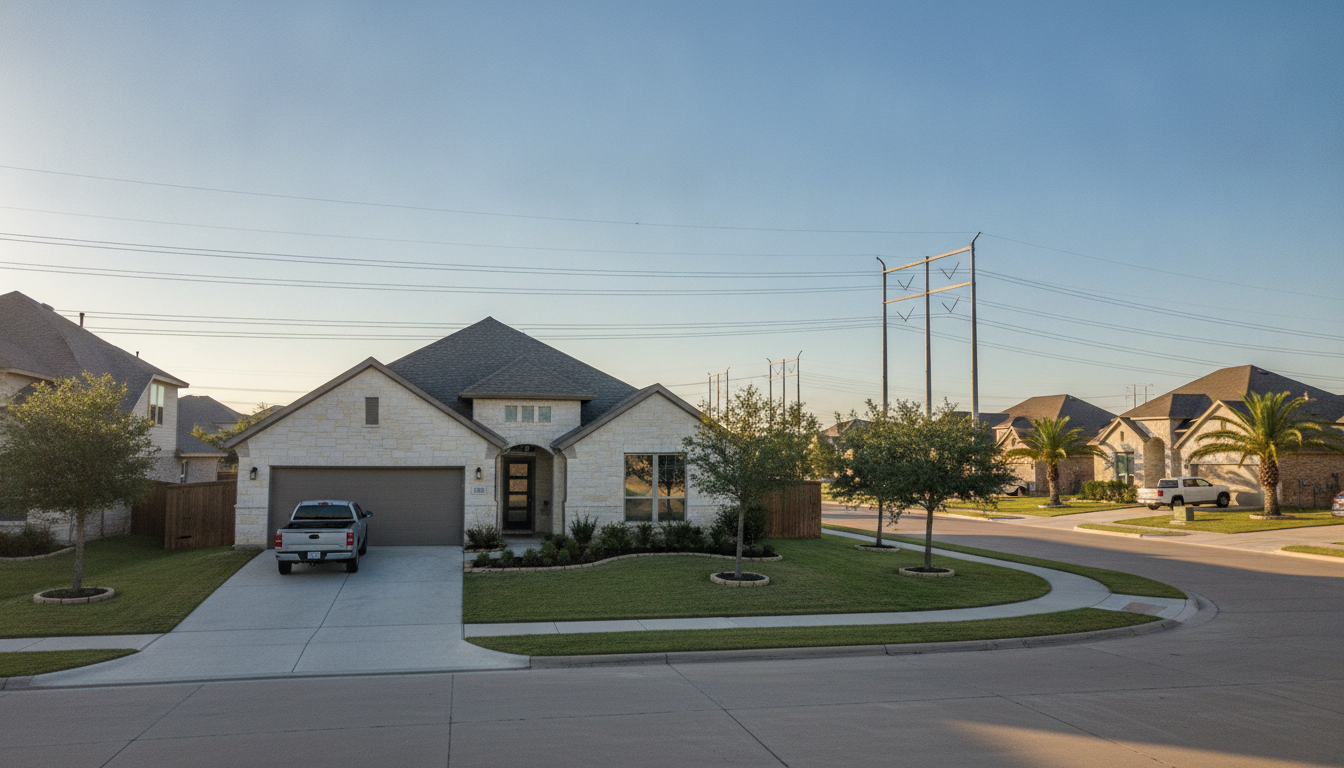
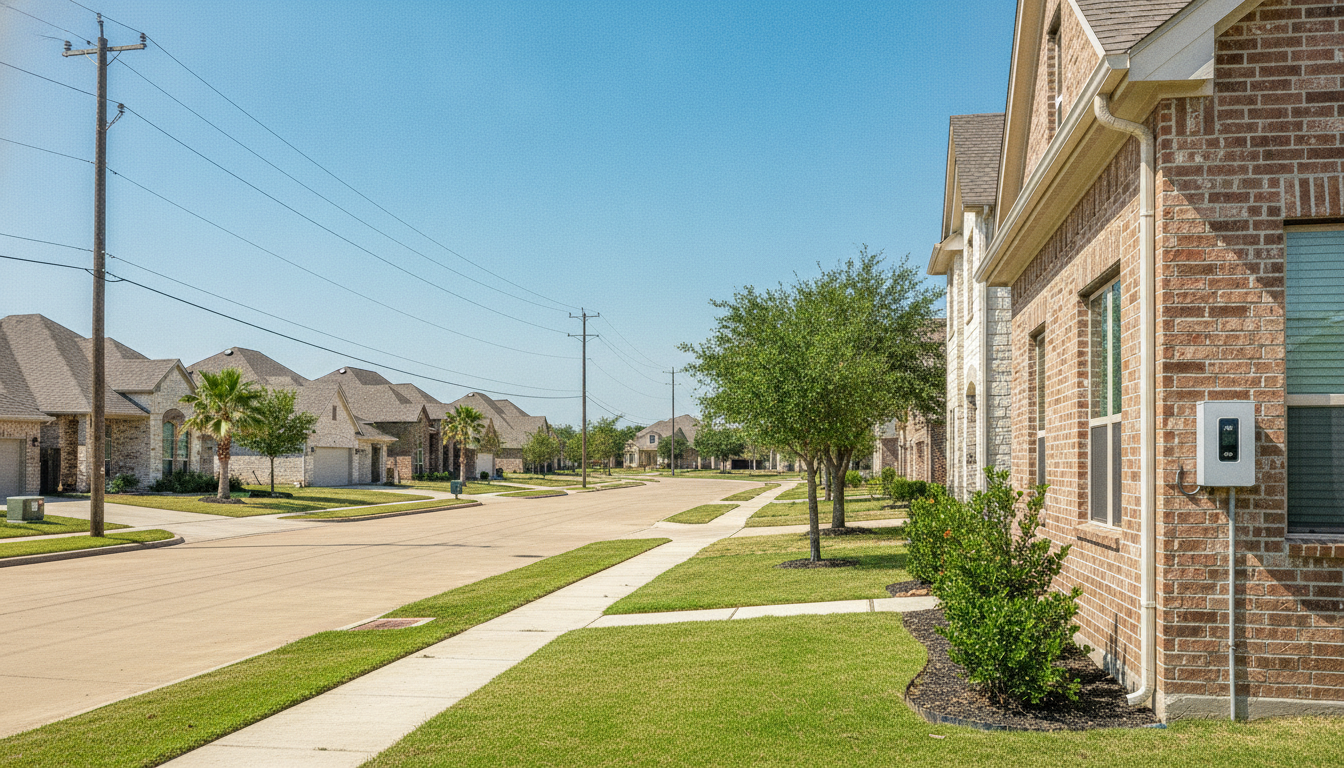
TDSPs, often referred to as TDUs (Transmission and Distribution Utilities), are the entities responsible for maintaining the physical power lines, poles, and meters in their designated territories. Unlike retail providers, you cannot choose your TDSP; they are determined solely by your geographic location. Whether you reside in Dallas, Houston, Corpus Christi, or a rural pocket of West Texas, a specific utility company manages your local grid infrastructure and responds to power outages.
Meet the Major Texas Utility Delivery Zones
There are four major investor-owned TDSPs operating across the deregulated areas of Texas:
- Oncor Electric Delivery: Serving the Dallas-Fort Worth metroplex and parts of West and West-Central Texas.
- CenterPoint Energy: Managing the grid for the greater Houston area and surrounding communities.
- AEP Texas: Delivering power to South Texas, the Gulf Coast, and parts of North and West Texas.
- Texas-New Mexico Power (TNMP): Serving various pockets of Texas, including communities northeast and northwest of Houston, as well as areas near the Gulf Coast.
How TDSP Charges Affect Your Electricity Bill
When you compare Texas electricity rates, it is crucial to understand that your total price per kilowatt-hour (kWh) consists of two main components: the retail energy rate and the TDSP delivery charges. These delivery charges are approved by the Public Utility Commission of Texas (PUCT) and are passed directly to the consumer without any markup from retail providers.
Because TDSP fees vary by region, average prices per kWh are typically calculated based on standard 1,000 kWh or 2,000 kWh monthly usage blocks. These blocks include both fixed monthly charges and variable per-kWh local charges from your regional utility. Consequently, the same retail plan can have different average rates depending on whether you live in Houston (CenterPoint territory) or Dallas (Oncor territory). Note that not all cities in Texas have electric choice; some municipal utilities and electric cooperatives remain regulated.
Navigate the Texas Energy Market with BulbOne
At BulbOne, we act as your expert guide and independent platform to help you explore your power to choose the best, most cost-effective, and reliable cheap electricity plans in Texas. We gather rates directly from each provider’s Electricity Facts Label (EFL) for comparison purposes only. Please note that electricity service offers can be fixed or variable, rates are subject to change, and they are only finalized when an agreement is completed. As an independent resource, BulbOne is in no way associated with PowerToChoose.org (which is operated by the PUC of Texas).
Want to check the most competitive rates available in your specific Texas zip code? Just call 1-844-567-2863 to speak with our local energy experts today.
Frequently Asked Questions
What is the difference between a REP and a TDSP?
A Retail Electric Provider (REP) sells you electricity plans, manages your account, and bills you. A Transmission and Distribution Service Provider (TDSP) physically delivers the electricity to your home, maintains the power lines, and reads your meter.
Can I choose my TDSP in Texas?
No. Your TDSP is determined entirely by your geographic location and service area. You can only choose your Retail Electric Provider (REP) if you live in a deregulated area of Texas.
Why do electricity rates look different for different usage levels?
Electricity rates on an Electricity Facts Label (EFL) are calculated at standard blocks of 500, 1,000, and 2,000 kWh. Because TDSP charges include both flat monthly fees and volumetric charges, your average price per kWh will vary depending on how much energy you actually consume each month.