Have you ever wondered why your neighbor across the county line pays a completely different amount for power, even if you both use the exact same amount of energy? In the Lone Star State, your electricity options and rates are entirely dictated by where you live. While Texas is famous for its deregulated energy market, the physical delivery of your power is managed by regional entities known as Transmission and Distribution Service Providers (TDSPs), also commonly referred to as Transmission and Distribution Utilities (TDUs). Understanding how these utility companies operate is the key to unlocking the best deals when you compare Texas electricity rates.
What is a TDSP and Why Does It Matter?
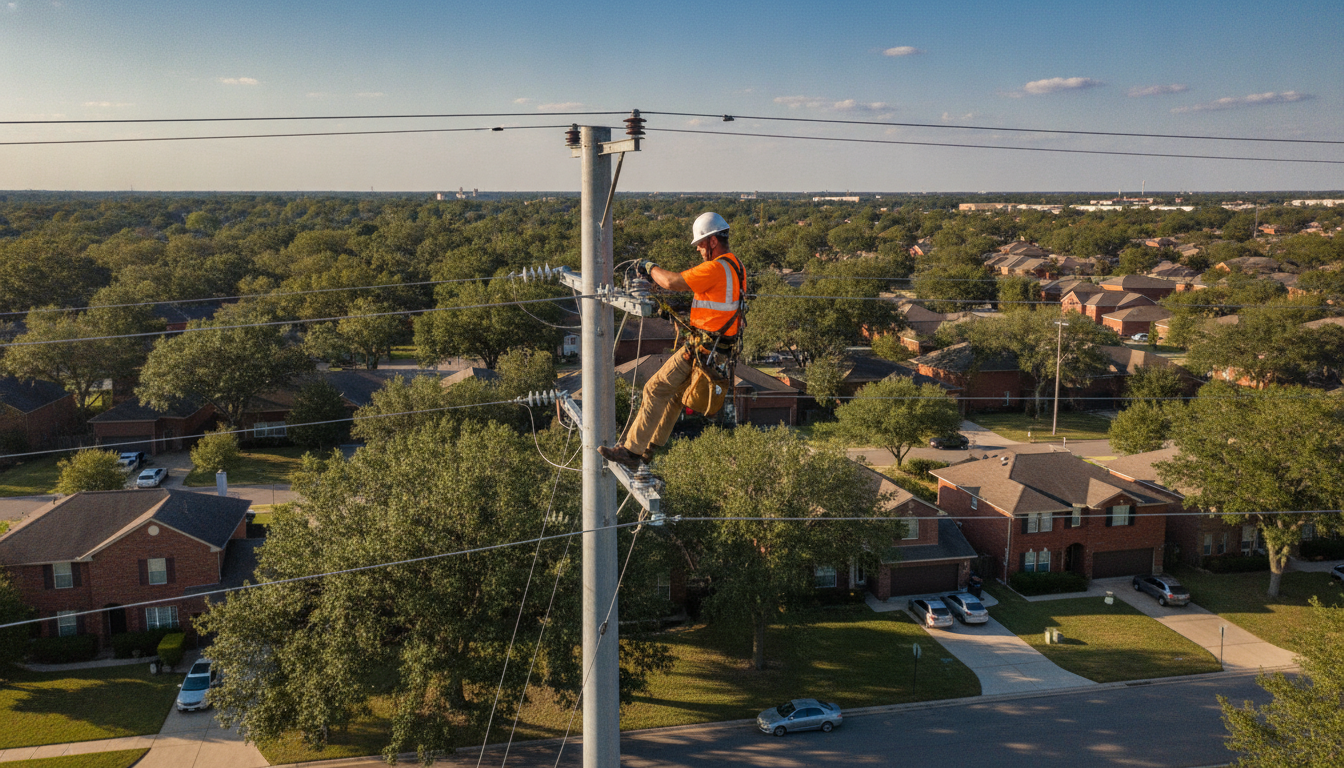
While you choose a Retail Electric Provider (REP) to handle your billing and buy your wholesale electricity, your REP does not actually generate or deliver the physical electricity to your home. That crucial job belongs to your local TDSP. These utilities own and maintain the physical poles, wires, transformers, and electric meters in their designated territories. They are also the ones you call when a storm knocks out your power and you need emergency repairs.
Because these territories are geographically locked, you cannot choose your TDSP. For example, if you are setting up electricity Houston residents rely on CenterPoint to keep the lights on, regardless of which retail provider sends the monthly bill. Meanwhile, those looking for electricity Fort Worth customers use will have their power delivered by Oncor. Your geographic location determines your utility delivery zone, which directly impacts your overall energy costs.
The Big Four: Meet Your Texas Utility Delivery Companies
Texas is divided into several major utility delivery zones, each managed by a specific company:
Oncor Electric Delivery
As the largest TDSP in Texas, Oncor services the Dallas-Fort Worth metroplex, parts of West Texas, and various northern and central regions of the state. They maintain hundreds of thousands of miles of transmission lines across the state.
CenterPoint Energy
CenterPoint covers the highly populated Houston metropolitan area and surrounding Gulf Coast communities. If you live in or near Houston, CenterPoint is responsible for reading your smart meter and maintaining your local electrical infrastructure.
AEP Texas
American Electric Power (AEP) is split into two main divisions: AEP Texas Central (covering cities like Corpus Christi, McAllen, and Laredo) and AEP Texas North (covering Abilene, San Angelo, and surrounding areas).
Texas-New Mexico Power (TNMP)
TNMP services various pockets of Texas, including areas southeast of Houston, portions of North Texas, and parts of West Texas. Though smaller than Oncor or CenterPoint, they play a vital role in keeping these distinct communities powered.
How TDSP Charges Affect Your Monthly Electric Bill
When you look at your electricity bill, you will notice a section dedicated to TDU or TDSP delivery charges. These are state-approved fees that every customer in that utility’s territory must pay, regardless of their chosen retail provider. These delivery charges are broken down into a fixed monthly customer charge and a variable charge per kilowatt-hour (kWh).
Because of this, average prices per kWh are based on standard 1,000 kWh or 2,000 kWh monthly usage blocks, which include these fixed and variable local charges from regional utilities. Some consumers look for flexible arrangements like prepaid electric service to manage their budgets, while commercial entities shopping among small business electricity providers must also account for these non-bypassable utility fees, which vary significantly by territory.
Navigating the Texas Market Responsibly
At BulbOne, we serve as an expert guide and independent platform helping consumers explore their power to choose the best, most cost-effective, and reliable cheap electricity plans in Texas. We believe in complete transparency, which is why we want to remind our readers that our platform is an independent resource and is in no way associated with PowerToChoose.org (which is operated by the Public Utility Commission of Texas).
When shopping for plans, please keep in mind that electricity service offers can be fixed or variable. All rates presented on our platform are gathered directly from each provider’s Electricity Facts Label (EFL) for comparison purposes only. Because utility delivery rates and market conditions fluctuate, rates are subject to change and are only finalized when an agreement with your chosen provider is completed.
Conclusion
While you cannot change your TDSP, understanding how they charge for delivering power helps you make a much more informed decision when selecting your retail plan. BulbOne is here to help you navigate these regional grid complexities, ensuring you find the plan that works best for your specific utility zone.
Want to check the most competitive rates available in your specific Texas zip code? Just call 1-844-567-2863 to speak with our local energy experts today.
What is the difference between a REP and a TDSP?
A Retail Electric Provider (REP) sells you electricity plans and manages your billing. A Transmission and Distribution Service Provider (TDSP) is the physical utility company that owns the power lines, delivers the electricity to your home, and resolves power outages.
Why do electricity rates vary between different Texas cities?
Each regional TDSP charges different state-approved rates for delivering electricity through their local power lines. These delivery charges are passed through to the consumer and are factored into the average price per kWh on your monthly bill, leading to regional price variations.
Does BulbOne offer the same rates as PowerToChoose.org?
BulbOne is an independent shopping platform and is not associated with PowerToChoose.org. We gather rates directly from each provider’s Electricity Facts Label (EFL) for comparison, helping you find clear, reliable plans tailored to your regional utility zone without any hidden surprises.