In the vast expanse of Texas, your electricity options and rates are profoundly shaped by where you live, particularly concerning the entities that physically deliver power to your home. While many Texans in deregulated areas enjoy the freedom to choose their retail electricity provider, there’s another crucial player behind the scenes: the Transmission and Distribution Service Provider (TDSP).
The Backbone of Your Power: Texas TDSPs
What is a TDSP?
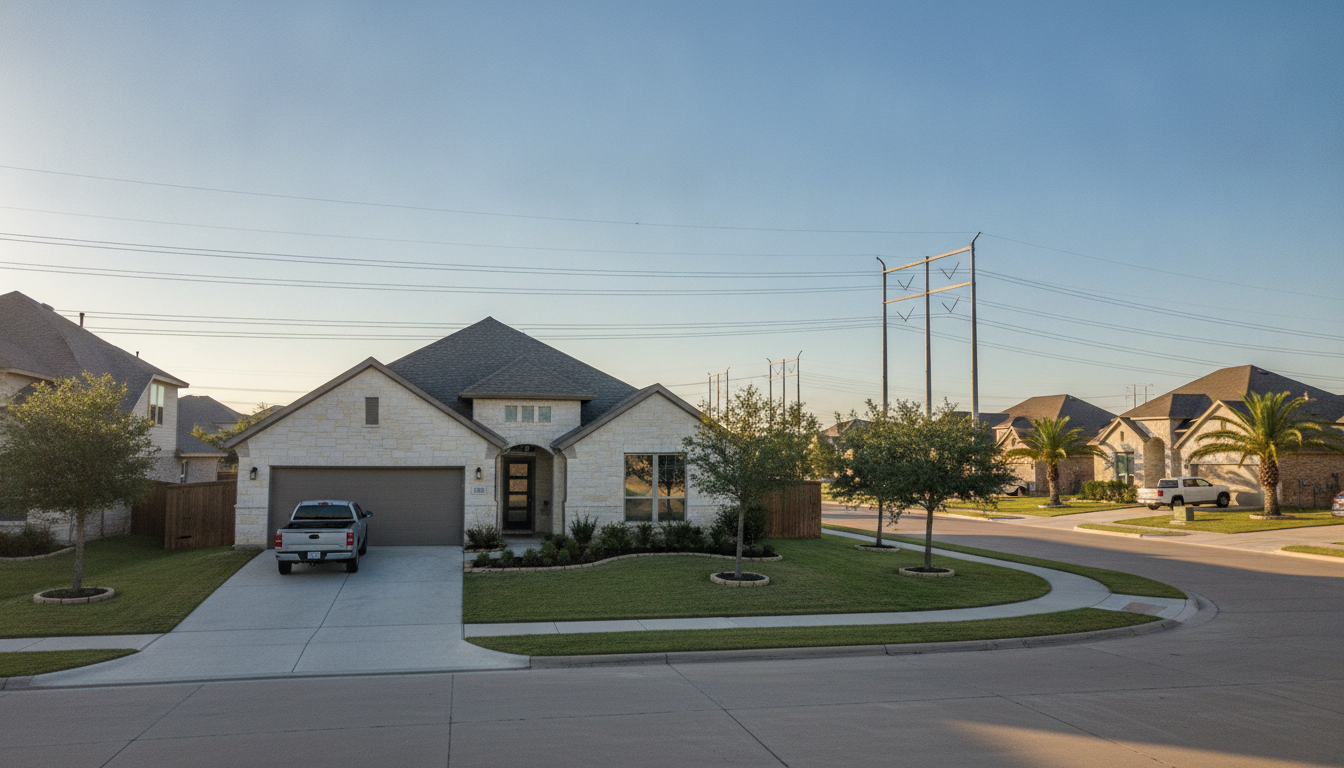
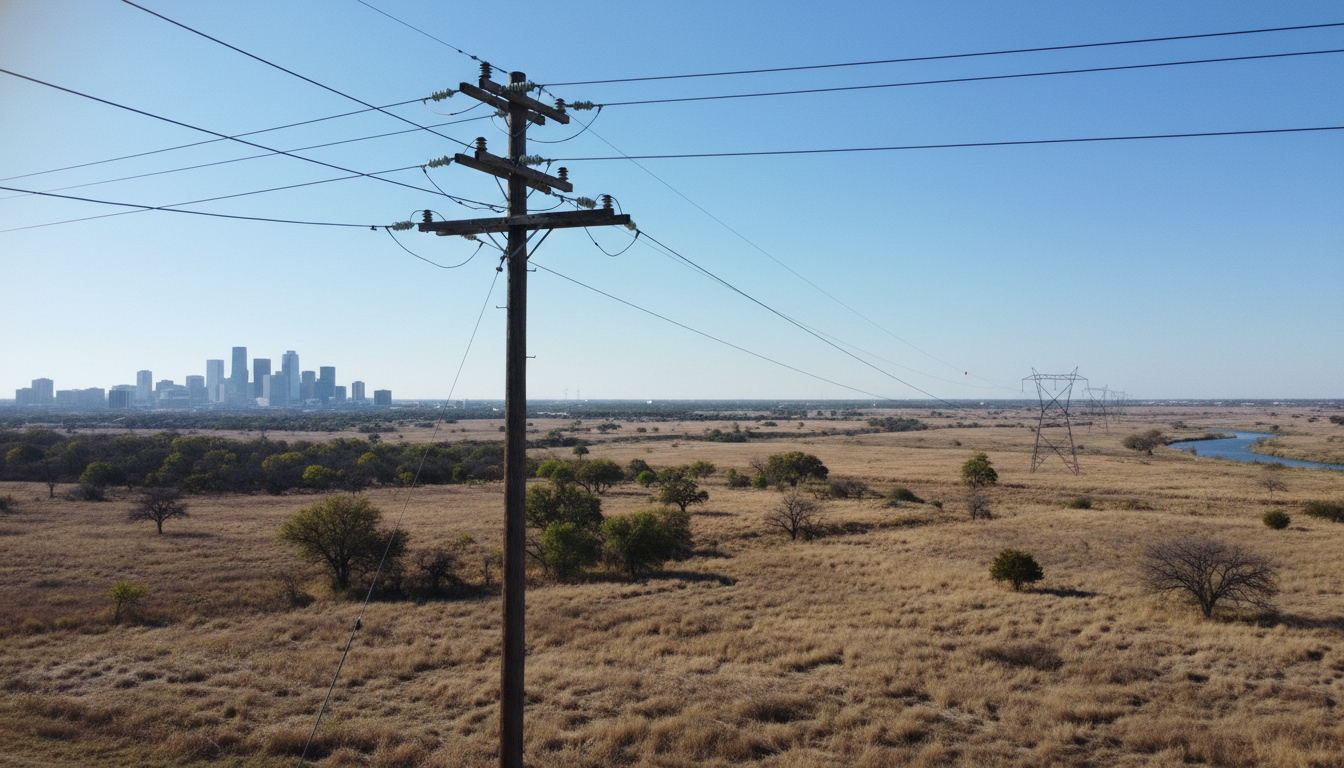
Think of TDSPs as the unsung heroes of the Texas power grid. These utility companies own, operate, and maintain the critical infrastructure that brings electricity from power plants to your meter. This includes everything from the towering transmission lines and local distribution wires to the poles and transformers in your neighborhood. They are also your first responders during power outages, working tirelessly to restore service. Unlike your retail electricity provider (REP), you cannot choose your TDSP; your geographic location dictates which one serves your area.
Meet Texas’s Major TDSPs
Across the Lone Star State, several major TDSPs ensure the lights stay on. These include Oncor, serving a vast central and northern Texas footprint; CenterPoint Energy, primarily responsible for the Houston metropolitan area and surrounding regions; AEP Texas, which covers large sections of south and west Texas; and Texas-New Mexico Power (TNMP), serving various communities across the state, often in more rural or scattered locales. Each of these companies operates within specific utility delivery zones, ensuring reliable service to millions of Texans.
It’s important to understand that while your chosen retail electricity provider sends you the bill, a portion of that bill includes fixed and variable local charges from your regional TDSP. These utility rates are regulated and cover the costs of maintaining the extensive infrastructure. This is why average prices per kWh, often based on standard 1,000 kWh or 2,000 kWh monthly usage blocks, can vary significantly by region—they directly incorporate these local delivery fees.
At BulbOne, we serve as an expert guide and independent platform, helping consumers explore their power to choose the best, most cost-effective, and reliable cheap electricity plans in Texas. We remind readers that pricing is based on each specific area’s utility rates and that not all cities in Texas have electric choice. We gather rates directly from each provider’s Electricity Facts Label (EFL) for comparison purposes only. Electricity service offers can be fixed or variable, and rates are subject to change, only finalized when an agreement is completed. As an independent resource, BulbOne is in no way associated with PowerToChoose.org (which is operated by the PUC of Texas).
Navigating the complexities of Texas’s deregulated electricity market and its underlying utility delivery zones can be daunting. BulbOne simplifies this process, allowing you to easily compare Texas electricity rates and understand the factors influencing your potential savings. We help you cut through the noise to find local options tailored to your specific needs.
Want to check the most competitive rates available in your specific Texas zip code? Just call 1-844-567-2863 to speak with our local energy experts today.
Frequently Asked Questions
What’s the difference between a TDSP and an electricity provider?
A TDSP (Transmission and Distribution Service Provider) owns and maintains the physical infrastructure (poles, wires) that delivers electricity. An electricity provider (REP) sells you the electricity and handles billing in deregulated areas.
How do TDSP charges affect my bill?
TDSP charges are fees for delivering electricity and maintaining the grid. These are passed through by your electricity provider and are included in the overall price per kWh you pay, contributing to regional price variations.
Can I choose my TDSP?
No, you cannot choose your TDSP. Your geographic location within Texas determines which TDSP serves your area, as they operate within specific, regulated utility delivery zones.