When you turn on a light in the Lone Star State, your electricity choices and overall energy costs are entirely dictated by where you live. While Texas is famous for its deregulated energy market, many residents are surprised to learn that shopping for power isn’t just about picking a retail electricity provider—it also heavily involves the local utility company that physically delivers power to your door.
What is a TDSP and Why Does It Matter?
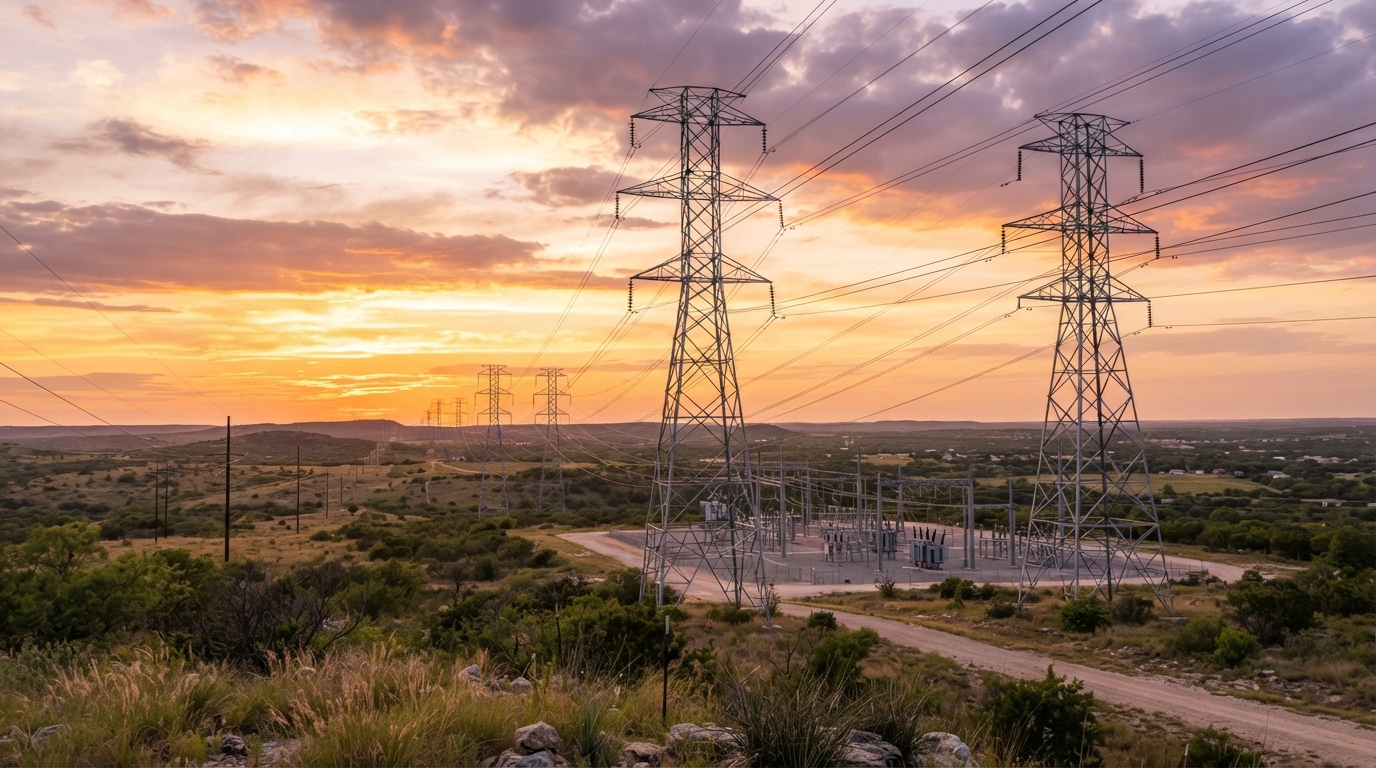
In deregulated parts of Texas, the energy market is split into two primary entities: Retail Electric Providers (REPs) and Transmission and Distribution Service Providers (TDSPs), also commonly referred to as Transmission and Distribution Utilities (TDUs). While your REP handles your billing and energy rate plans, your TDSP owns and maintains the physical infrastructure—the poles, power lines, meters, and transformers.
Regardless of which energy company sends your bill, you cannot choose your TDSP. Your utility company is geographically assigned based on your service area. These local utilities ensure electricity safely flows into your home and respond to physical outages during severe weather events.
Understanding the Four Major Texas Utility Service Areas
The deregulated grid in Texas is divided among several major utility companies, each servicing distinct geographical zones. To find the most cost-effective plan, it helps to know which utility zone you reside in:
CenterPoint Energy
CenterPoint manages the delivery network for the greater Houston area and surrounding coastal regions. If you are shopping for electricity Houston offers, CenterPoint is the TDU responsible for maintaining line reliability and restoring power during major storms.
Oncor Electric Delivery
As the largest utility company in Texas, Oncor services vast swathes of North and West Texas. If you are evaluating options for electricity Fort Worth or Dallas residents rely on, Oncor manages the grid distribution across these metropolitan hubs.
AEP Texas and Texas-New Mexico Power (TNMP)
AEP Texas covers central, southern, and western regions of the state (divided into AEP Central and AEP North), while TNMP serves distinct pockets across North, West, and Gulf Coast regions. Each utility area carries its own specific local transmission charges.
How Delivery Charges Impact Your Total Electricity Rates
When you attempt to compare Texas electricity rates, it is critical to understand that your total monthly bill reflects two distinct costs: the retail rate per kilowatt-hour (kWh) set by your provider, and the utility delivery charges passed through by your local TDSP.
Educational Focus: Pricing in Texas is inherently based on each specific area’s utility rates, and not all cities in the state operate under electric choice (some municipalities and electric cooperatives remain fully regulated). Average prices per kWh shown on consumer platforms are calculated based on standard 1,000 kWh or 2,000 kWh monthly usage blocks. These estimates include both the energy charge and the fixed and variable local charges assessed by regional utilities.
Plan flexibility is another factor to keep in mind. Whether you are interested in standard long-term contracts, low-commitment prepaid electric service for your home, or customized plans from top small business electricity providers, local utility fees apply equally across all retail plan structures.
Navigating the Market Safely with BulbOne
At BulbOne, our positioning is simple: we serve as an expert guide and independent platform helping consumers explore their power to choose the best, most cost-effective, and reliable cheap electricity plans in Texas.
Independent Status & Rate Disclaimer: BulbOne is an independent resource and is in no way associated with PowerToChoose.org (which is operated by the Public Utility Commission of Texas). Please note that electricity service offers can be fixed or variable, and rates displayed across shopping resources are gathered directly from each provider’s Electricity Facts Label (EFL) for comparison purposes only. Rates are subject to change and are only finalized when a official service agreement is completed.
Understanding your TDSP delivery zone is the key to avoiding surprises on your monthly energy bill. By factoring in local utility charges alongside retail rates, you can choose a contract structured specifically for your home’s energy consumption pattern.
Want to check the most competitive rates available in your specific Texas zip code? Just call 1-844-567-2863 to speak with our local energy experts today.
1. Can I switch my TDSP or utility company in Texas?
No, you cannot switch your TDSP. Utility delivery zones are fixed based on geographic location. You can shop freely for your Retail Electric Provider, but your local utility company remains responsible for grid delivery regardless of which provider bills you.
2. Why does my monthly bill include delivery charges from my utility?
Delivery charges cover the physical maintenance of power lines, pole repairs, smart meter reading, and emergency outage restoration. These fixed and variable fees are regulated by the state and passed directly through your retail supplier on your monthly bill.
3. Do all Texas cities allow you to pick your electricity supplier?
No, not every Texas city is deregulated. Municipal utilities (such as Austin Energy or CPS Energy in San Antonio) and rural electric cooperatives operate outside the deregulated market, meaning residents in those zones must buy power directly from their designated local utility.