
Finding a cheap electricity plan in Texas can feel like navigating a maze. With dozens of retail electric providers competing for your business, the headlines often scream incredibly low rates. However, many Lone Star State residents sign up for what looks like a bargain, only to be shocked by a massive bill at the end of the month. The secret to avoiding these costly surprises lies not in chasing the lowest advertised number, but in understanding your household’s unique energy usage patterns. When you use BulbOne to compare Texas electricity rates, you gain the clarity needed to match a plan to your actual consumption.
The Tale of Two Tiers: 1,000 kWh vs. 2,000 kWh
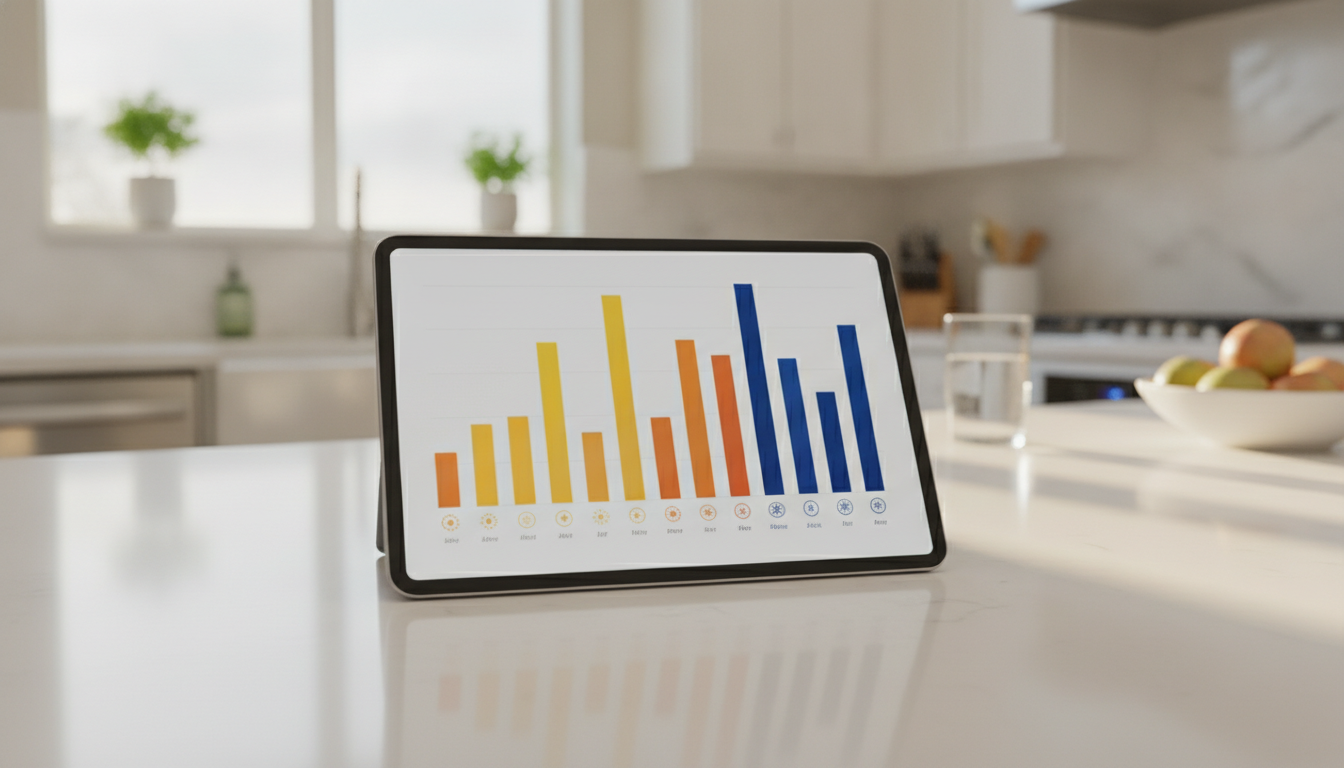
In Texas, electricity plans are formulated around standardized monthly usage benchmarks: 500 kWh (typically for small apartments), 1,000 kWh (for medium-sized homes or townhomes), and 2,000 kWh (for larger single-family homes). Retail electric providers structure their pricing differently at each of these tiers. A plan that looks exceptionally cheap at the 2,000 kWh level might actually feature much higher costs if your usage drops to 1,000 kWh, and vice versa.
This discrepancy is why understanding your usage pattern is crucial. For instance, if you are looking for electricity Houston plans, a plan optimized for high-usage households might penalize you with minimum usage fees if your home doesn’t consume enough power. Conversely, if you are searching for competitive electricity Fort Worth rates, selecting a plan optimized for 1,000 kWh when you actually consume 2,000 kWh could cause you to miss out on volume discounts. Matching your historical usage to the correct tier is the single most effective way to secure a truly low-cost plan.
Decoding the Electricity Facts Label (EFL)
To protect yourself from surprise bills, you must look beyond the marketing slogans and analyze the Electricity Facts Label (EFL). The EFL is a standardized document that every Texas provider must supply. It breaks down exactly what you will pay at the 500, 1,000, and 2,000 kWh thresholds. These standard rates include both the provider’s energy charge and the fixed and variable local charges from your Transmission and Distribution Service Provider (TDSP). However, it is vital to remember that your final costs depend entirely on your actual usage during any billing cycle.
This rule applies whether you are comparing residential plans, evaluating small business electricity providers, or even considering a flexible prepaid electric service. By examining how the rate fluctuates across different usage levels on the EFL, you can spot tiered-rate traps and bill credit gimmicks that only reward you if you hit an exact, narrow window of consumption.
How BulbOne Simplifies Your Search
At BulbOne, we believe that finding cheap electricity shouldn’t require a degree in finance. We serve as your expert guide and independent platform, helping you explore your power to choose the best, most cost-effective, and reliable cheap electricity plans in Texas. We bring transparency to the shopping process by highlighting the details of the EFL, allowing you to filter options based on your actual monthly usage.
Please keep in mind that BulbOne is completely independent and in no way associated with PowerToChoose.org (which is operated by the Public Utility Commission of Texas). Furthermore, all rates displayed on our comparison platform are for informational purposes, subject to change, and only finalized when a service agreement is executed with your chosen retail electric provider.
Ready to slash your monthly energy costs with a reliable, cheap electricity plan? Just call 1-844-567-2863 to speak with our experts today.
Frequently Asked Questions
Why does my electricity rate change based on how much power I use?
Texas electricity plans often feature tiered pricing structures, bill credits that only apply at specific usage thresholds, and fixed local utility delivery charges. This means the average price per kilowatt-hour can vary significantly depending on whether you consume closer to 1,000 kWh or 2,000 kWh in a month.
How can I find my historical electricity usage?
You can find your past usage by looking at your previous electricity bills or by logging into Smart Meter Texas. Knowing your average monthly kilowatt-hour consumption is essential for selecting the most accurate and cost-effective plan on comparison platforms.
Are the cheapest advertised rates always the best option?
Not necessarily. The lowest advertised rates often rely on specific usage windows or bill credits. If your actual usage falls outside those narrow parameters, your rate could increase dramatically. Always review the Electricity Facts Label (EFL) to ensure the plan fits your real-world usage patterns.