When you turn on the lights in the Lone Star State, your electricity options and overall monthly costs are entirely dictated by where you live. While millions of Texans enjoy the freedom to select their energy plan, many are surprised to learn that the company sending their monthly bill isn’t actually the entity maintaining the grid or delivering electricity to their home. That crucial job belongs to your local Transmission and Distribution Service Provider (TDSP).
What Is a TDSP and Why Does It Matter?
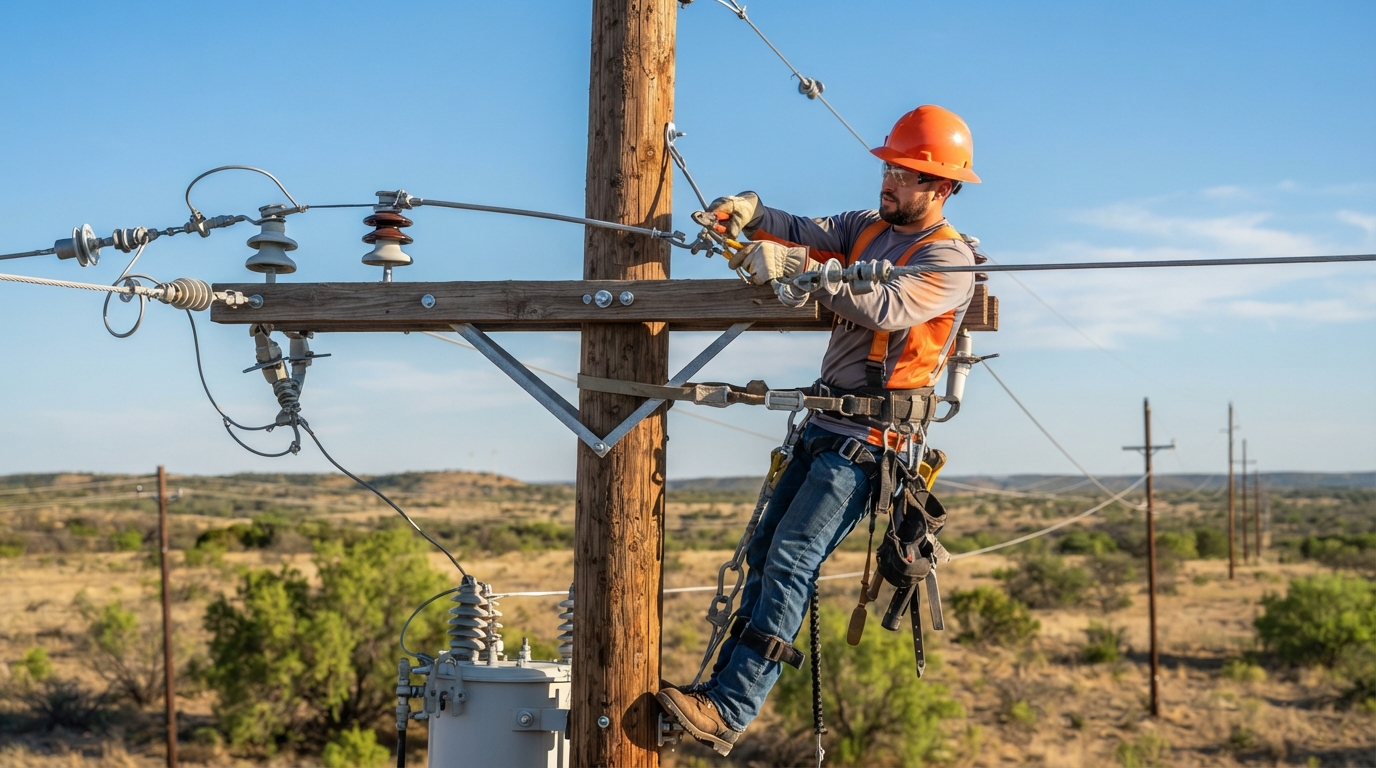
In the deregulated energy markets across Texas, the power industry is split into two distinct roles: Retail Electric Providers (REPs) and TDSPs (commonly referred to as electric utilities). While REPs handle customer service, marketing, and billing, your TDSP owns and operates the physical infrastructure. They are responsible for the power lines, poles, electrical towers, transformers, and meters. Regardless of which provider you select when you compare Texas electricity rates, your designated utility company remains responsible for delivering electricity safely to your property.
Meet the Major Texas Utility Delivery Zones
Texas is divided into specific geographical utility service areas, each managed by a specific investor-owned utility:
- Oncor Electric Delivery: The largest TDSP in Texas, serving central, northern, and western regions. Residents setting up electricity Fort Worth service depend on Oncor’s transmission system.
- CenterPoint Energy: Managing the Houston metropolitan region and surrounding Gulf Coast areas, delivering power for homeowners and businesses seeking electricity Houston solutions.
- AEP Texas: Divided into AEP Texas Central and AEP Texas North, covering vast areas including Corpus Christi, Abilene, and the Rio Grande Valley.
- Texas-New Mexico Power (TNMP): Serves distinct communities across North, West, and Gulf Coast Texas.
How Regional Delivery Fees Impact Your Electric Bill
Every electricity plan in Texas includes utility delivery charges that are set by your local TDSP and regulated by the Public Utility Commission of Texas (PUCT). These charges fund continuous grid maintenance, line repairs after storms, and advanced meter infrastructure. When reviewing plans, average prices per kWh are calculated based on standard 1,000 kWh or 2,000 kWh monthly usage blocks, which combine the retail electricity rate with these fixed and variable local utility delivery fees.
Because each TDSP sets distinct delivery rates for its delivery zone, total pricing varies by geographic region. It is also important to note that not all cities in Texas have electric choice—certain municipalities and rural electric cooperatives operate outside the deregulated market. Whether you are looking for standard residential plans, flexibility through prepaid electric service, or commercial utility solutions from small business electricity providers, understanding your utility zone is essential for budgeting accurately.
Navigating the Texas Grid with BulbOne
At BulbOne, we function as an expert guide and independent platform dedicated to helping consumers exercise their power to choose the most cost-effective, reliable, and cheap electricity plans in Texas. To maintain full transparency, please keep in mind that electricity service offers can be fixed or variable, and all listed rates are gathered directly from each provider’s Electricity Facts Label (EFL) for comparison purposes only. Rates are subject to change and are finalized only when your service agreement is completed.
BulbOne is an independent educational resource and consumer platform. We are in no way associated with PowerToChoose.org, which is operated by the Public Utility Commission of Texas.
Want to check the most competitive rates available in your specific Texas zip code? Just call 1-844-567-2863 to speak with our local energy experts today.
Frequently Asked Questions
Can I select or change my TDSP utility company?
No. Your utility delivery company is determined entirely by the physical location of your home or business. You can choose your Retail Electric Provider, but your local TDSP remains fixed.
Who should I call if my power goes out?
If you experience a blackout or physical emergency with a power line, you should contact your regional TDSP (such as Oncor, CenterPoint, AEP Texas, or TNMP) directly, as they manage grid maintenance and repairs.
Why do electricity rates vary between different Texas cities?
Each utility company charges different regulatory-approved fees for line delivery and maintenance. Because these delivery fees are included in standard 1,000 kWh and 2,000 kWh pricing calculations, average prices per kWh vary by delivery zone.