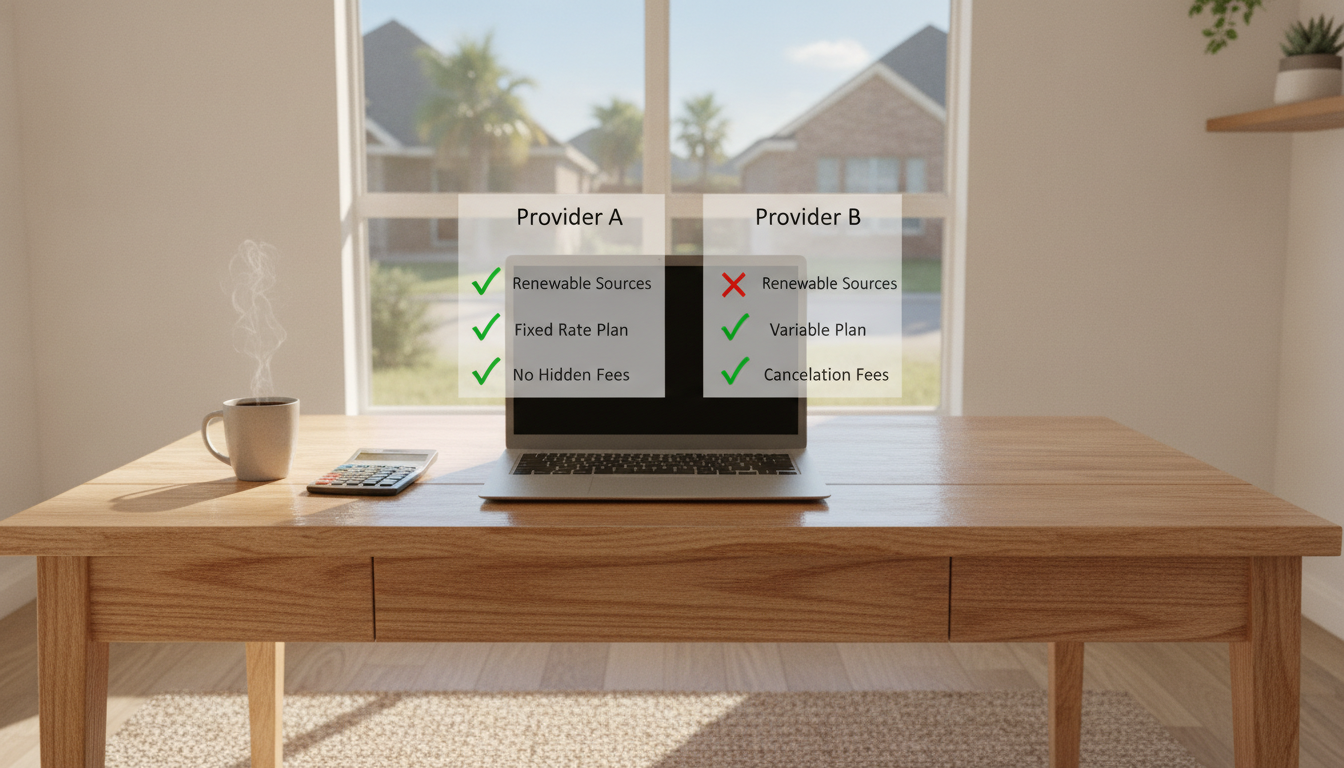

Texas is famous for giving residents the power to choose their own retail electric providers (REPs). However, having dozens of companies competing for your business can feel like a double-edged sword. While competition drives innovation, it also creates a crowded marketplace where flashy marketing can easily overshadow the actual terms of a contract. To truly find the most cost-effective and reliable plan, you must look past the advertised headline rate and evaluate the hidden metrics that dictate your monthly bill.
Why the Headline Rate is Only Half the Story
When shopping for power, it is easy to get drawn in by an incredibly low price displayed on a banner ad. However, that advertised number rarely tells the whole story. Whether you are shopping for electricity Houston residents rely on, or comparing options for electricity Fort Worth homes, understanding how that rate is calculated is your first line of defense against unexpected bill spikes.
To truly understand what you will pay, you must look at the Electricity Facts Label (EFL). The EFL is a standardized document that every retail electric company in Texas is legally required to provide. It breaks down the pricing structure, contract length, and early termination fees. The displayed average price per kWh on an EFL is merely an example based on specific 1,000 kWh or 2,000 kWh usage models. These models include both fixed and variable local utility charges, but your actual rates will vary depending on your real-time electricity consumption.
Key Hidden Metrics to Evaluate Before Signing
To avoid billing surprises, you must inspect the specific rules and fees outlined in the EFL. Here are the most critical metrics to evaluate:
Base Charges vs. Usage Tiers
Many plans feature flat monthly base charges that apply regardless of how much electricity you use. Others incorporate minimum usage fees, which penalize you if your consumption drops below a certain threshold. If you want to compare Texas electricity rates effectively, you must calculate how these fixed fees impact your average cost per kilowatt-hour based on your home’s historical usage patterns.
Fixed vs. Variable Rate Structures
Before committing to a contract, determine whether the plan is fixed or variable. Fixed-rate plans guarantee your price per kWh for the entire duration of the contract term, protecting you from market volatility. Variable-rate plans are subject to change based on market conditions, meaning your rate could rise during periods of high demand. Keep in mind that comparison rates provided on shopping platforms are for informational purposes only until a formal service agreement is completed. For consumers seeking flexibility without long-term commitments, a prepaid electric service may be an option, though these plans typically feature variable rate structures.
Commercial and Business Considerations
This careful evaluation is not just for homeowners. Commercial entities must also look past introductory rates when vetting small business electricity providers. Business plans often feature unique demand charges and power factor clauses that can drastically alter the final cost of operations if not fully understood beforehand.
Navigating the Texas Market with Transparency
Evaluating these metrics on your own can be overwhelming, which is why utilizing an independent comparison platform is so valuable. BulbOne serves as an expert guide and independent platform helping consumers explore their power to choose the best, most cost-effective, and reliable cheap electricity plans in Texas.
It is important to note that BulbOne is an independent resource and is in no way associated with PowerToChoose.org (which is operated by the Public Utility Commission of Texas). By focusing on transparency and educational clarity, BulbOne helps you filter out plans with deceptive pricing structures, connecting you only with reputable partners that offer honest, straightforward terms.
Conclusion
Choosing a retail electric company in Texas does not have to be a guessing game. By looking past the headline rate, reviewing the Electricity Facts Label, and understanding how your usage aligns with local utility charges, you can secure a plan that fits your budget. BulbOne is here to simplify the vetting process and bring complete clarity to your energy shopping experience.
Ready to choose a trusted electric company with completely transparent terms? Just call 1-844-567-2863 to speak with our Texas energy experts.
Frequently Asked Questions
Why does my actual electricity rate differ from the advertised rate?
Advertised rates are based on standardized usage profiles (such as 1,000 kWh or 2,000 kWh). If your actual monthly usage is higher or lower than these exact benchmarks, the ratio of fixed local utility charges to your variable usage charges shifts, altering your final average rate per kWh.
What is the difference between a fixed-rate and a variable-rate plan?
A fixed-rate plan locks in your electricity rate for the duration of your contract, offering price stability. A variable-rate plan has no contract term, but the rate fluctuates month-to-month based on market conditions and wholesale energy prices.
How does BulbOne help me find a reputable electric company?
BulbOne acts as an independent guide, analyzing the fine print and EFL metrics of various plans. We filter out confusing or misleading offers, helping you compare transparent options from established, reliable Texas energy providers.